
In the world of gourmet dairy, few items are as polarizing or as pungent as Gorgonzola. While this Italian blue cheese is a staple of fine dining, its intense flavor and unique mold cultures can sometimes lead to a phenomenon colloquially referred to as gorganzolosis. This term is often used by food enthusiasts and diners to describe the specific set of digestive and physiological symptoms that occur after consuming large quantities of blue-veined cheeses. While not a formal medical diagnosis found in traditional textbooks, the condition represents a very real experience for those who find themselves “cheese-stuffed” to the point of discomfort.
Understanding the mechanics of how our bodies process complex, mold-ripened cheeses is essential for any epicurean. Gorgonzola is produced using specific strains of Penicillium roqueforti, which give the cheese its characteristic blue veins and sharp tang. For most, these cultures are harmless and even beneficial for gut health. however, when consumption exceeds the body’s threshold for rich fats and unique fungal proteins, the resulting gorganzolosis can turn a delightful meal into a weekend of recovery. By examining the symptoms and biological triggers of this dairy-induced distress, we can better appreciate the balance required in high-end gastronomy.
Common Physiological Triggers of Blue Cheese Sensitivity
The primary cause of the discomfort associated with gorganzolosis is the high concentration of specific amines and fats found in aged blue cheeses. Gorgonzola, particularly the piccante variety, contains significant levels of tyramine. Tyramine is a naturally occurring compound that can trigger headaches or even migraines in sensitive individuals by causing the blood vessels to constrict and then dilate. For some, the “cheese headache” is the first sign that they have overindulged in a particularly potent wedge.
Beyond amines, the mold cultures themselves play a role. While Penicillium roqueforti is safe for human consumption, it produces unique proteins that the digestive system must break down. In large quantities, these can irritate the lining of the stomach, especially in individuals who may have a mild, undiagnosed mold sensitivity. This irritation, combined with the high lipid content of the cheese, slows down gastric emptying, leading to that heavy, “brick-like” feeling in the abdomen that characterizes many cases of overindulgence.
Digestive Symptoms and the “Stanky” Aftermath
When a person experiences gorganzolosis, the most immediate symptoms are usually gastrointestinal. Because blue cheese is rich in both fat and lactose, it can be a double-edged sword for the gut. For those with even slight lactose intolerance, the concentrated sugars in the cheese can cause rapid fermentation in the large intestine. This leads to the hallmark bloating, gas, and “stanky” bathroom episodes that social media users often joke about when discussing their love-hate relationship with blue cheese.
The fats in the cheese also require a significant amount of bile for digestion. If the gallbladder is overwhelmed by a sudden “cheese bomb,” the result is often greasy stools or a general sense of nausea. These symptoms are the body’s way of signaling that its metabolic processing capacity has been reached. While these episodes are usually short-lived, lasting only as long as it takes for the cheese to pass through the system, they serve as a potent reminder of the importance of portion control when dealing with such a nutrient-dense food.
Distinguishing Between Food Intolerance and Allergy
It is vital to distinguish the general distress of gorganzolosis from a true allergic reaction. A food intolerance, which is what most people experience, involves the digestive system’s inability to process a certain amount of food properly. In contrast, a true dairy or mold allergy involves the immune system and can be life-threatening. Symptoms of an allergy usually include hives, swelling of the throat, or difficulty breathing—signs that require immediate medical intervention rather than just a nap and some water.
For most people, the symptoms of cheese overindulgence are strictly limited to the digestive tract and perhaps a mild “foggy” feeling in the head. This is often due to the histamine content found in fermented foods. Histamine can mimic allergic symptoms without being a full-blown allergy, causing some people to experience a flushed face or a stuffy nose after eating a Gorgonzola-heavy pizza. Understanding these nuances helps diners manage their intake and recognize when they are simply full versus when they are having an adverse biological reaction.
Cultural Perceptions of the “Death by Cheese” Phenomenon
The concept of gorganzolosis has gained a humorous foothold in internet culture, particularly in regions known for high dairy consumption like Wisconsin or Northern Italy. On platforms like Reddit, users frequently share stories of eating entire wedges of blue cheese “on accident” and waking up feeling ill. This has led to the lighthearted idea of “death by cheese” as a preferred, albeit uncomfortable, way to go for the truly dedicated turophile.
This cultural humor masks a genuine appreciation for the potency of aged foods. In many traditional cultures, pungent cheeses were eaten in small slivers, often accompanied by fruit or bread to buffer the intensity. The modern trend of “cheese boards” as full meals has perhaps contributed to the rise of gorganzolosis cases, as people consume quantities that their ancestors would have spread out over several weeks. The term serves as a modern linguistic tool to describe the clash between ancient, potent food preservation methods and modern eating habits.
Nutritional Profile and the Role of Lipids
To understand why gorganzolosis feels so heavy, one must look at the nutritional density of Gorgonzola. It is an exceptionally calorie-dense food, providing high amounts of calcium, protein, and vitamin B12, but also a massive dose of saturated fats. These lipids are what give the cheese its creamy, luxurious mouthfeel, but they are also the hardest component for the liver and gallbladder to process in high volumes.
When you consume a large amount of blue cheese, your body enters a state of metabolic high alert. The liver must produce extra bile, and the pancreas must secrete more lipase to break down the fats. This process requires significant energy, which is why many people feel a profound sense of lethargy—often called a “food coma”—after a cheese-heavy meal. The physiological “load” of these lipids is a primary driver of the physical exhaustion that often accompanies a severe case of overindulgence.
Mitigation Strategies for the Morning After
If you find yourself in the midst of a gorganzolosis episode, the best course of action is hydration and rest. Drinking plenty of water helps the kidneys process the excess sodium and amines, while also assisting the digestive tract in moving the heavy fats along. Some people find that ginger tea or peppermint oil can help soothe the nausea and bloating associated with the concentrated mold and dairy proteins.
It is also wise to avoid alcohol and caffeine during recovery. Alcohol can exacerbate the effects of tyramine, potentially turning a mild cheese headache into a full-blown migraine. Instead, focus on light, fiber-rich foods like leafy greens or simple grains for the next 24 hours. These act as a “broom” for the digestive system, helping to clear out the remnants of the blue cheese and restoring the gut’s natural balance. Prevention, of course, remains the best cure: enjoying Gorgonzola as a garnish rather than a main course is the key to avoiding future distress.
The Science of Fungal Maturation in Gorgonzola
The unique nature of gorganzolosis is tied directly to the maturation process of the cheese. As Gorgonzola ages, the Penicillium mold breaks down the proteins and fats into smaller, more pungent molecules. This process, known as proteolysis and lipolysis, is what creates the sharp flavor profile. However, it also creates the complex compounds that can overwhelm a sensitive stomach.
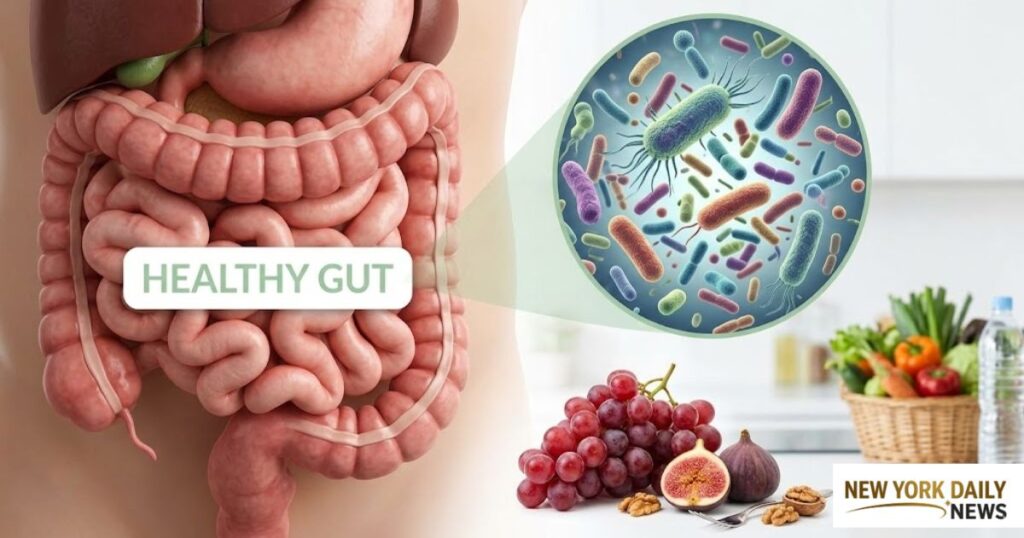
In 2026, food scientists are looking closer at how these mold-ripened cultures interact with the human microbiome. Some studies suggest that the “distress” felt by some is actually a sign of the mold cultures competing with existing gut bacteria. While this competition is usually harmless, it can cause the temporary gas and bloating seen in gorganzolosis. By understanding the science of the mold, we can better appreciate why this cheese is a “superfood” in small doses but a “system-breaker” in excess.
Blue Cheese Symptom Comparison Table
| Symptom Category | Gorganzolosis (Intolerance) | True Dairy/Mold Allergy |
| Onset | 30 mins to 4 hours post-meal | Immediate to 30 mins |
| Digestive | Bloating, gas, “stanky” stools | Vomiting, intense cramping |
| Skin/Respiration | Rare (maybe mild flushing) | Hives, swelling, wheezing |
| Head/Brain | Tyramine headache, lethargy | Dizziness, anaphylaxis risk |
| Duration | 6 to 24 hours | Requires medical attention |
Frequently Asked Questions
Is gorganzolosis a real medical disease?
No, gorganzolosis is a colloquial or slang term used to describe the digestive and physical distress caused by eating too much blue cheese (specifically Gorgonzola). It is not a formal medical diagnosis.
Why does blue cheese give me a headache?
Blue cheeses are high in tyramine, an amino acid that can affect blood pressure and trigger headaches or migraines in people who are sensitive to it.
Can I be allergic to the mold in Gorgonzola?
Yes, while Penicillium roqueforti is generally safe, people with a known mold allergy should exercise caution. If you experience swelling or hives, you should avoid blue cheese and consult an allergist.
How long do the symptoms of cheese overindulgence last?
Most symptoms of gorganzolosis subside within 12 to 24 hours as the body processes and eliminates the fats and proteins from the system.
Conclusion
While gorganzolosis might sound like a serious ailment, it is primarily a reminder of the potent power of traditional fermented foods. Gorgonzola is a masterpiece of Italian culinary history, but its intensity demands respect. By understanding the biological impact of tyramine, mold cultures, and high lipid content, we can enjoy these delicacies without the subsequent “cheese-stuffed” misery. The key to a long and happy relationship with blue cheese is simple: savor the wedge, but don’t eat the whole thing in one sitting.